Spring Roof Leaks: Why They Happen and How Homeowners Can Prevent Costly Damage
Mar 08, 2026Why Roof Leaks Are More Common in the Spring
As winter ends and temperatures begin to rise, many homeowners start noticing an unfortunate seasonal problem—roof leaks during spring. Snow, ice, and freezing temperatures can quietly damage roofing systems over the winter, and once spring rain begins, those hidden issues suddenly become visible.
If you see water stains on your ceiling, peeling paint, or dripping near windows or vents, your roof may already be compromised.
At Sparkk Construction, we often see an increase in roof leak inspections every spring throughout Virginia, West Virginia, and Maryland. Understanding why these leaks happen can help homeowners act early and avoid expensive structural damage.
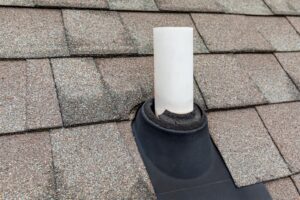
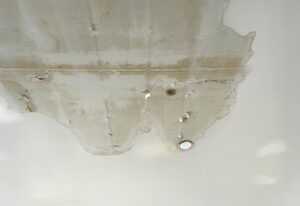
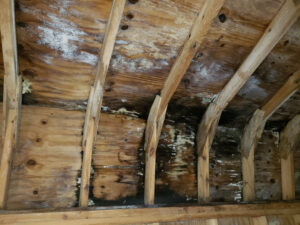
Spring weather reveals damage that developed during winter. Several common factors cause roofing systems to fail once snow melts and rainstorms begin.
1. Ice Dam Damage
Ice dams occur when snow melts unevenly and refreezes near the roof edges. This trapped water can push underneath shingles and damage the underlayment.
Once spring rain arrives, those compromised areas begin leaking.
2. Damaged or Missing Shingles
Winter storms, wind, and temperature fluctuations can crack or loosen shingles. Even a single damaged shingle can allow water to penetrate the roof system.
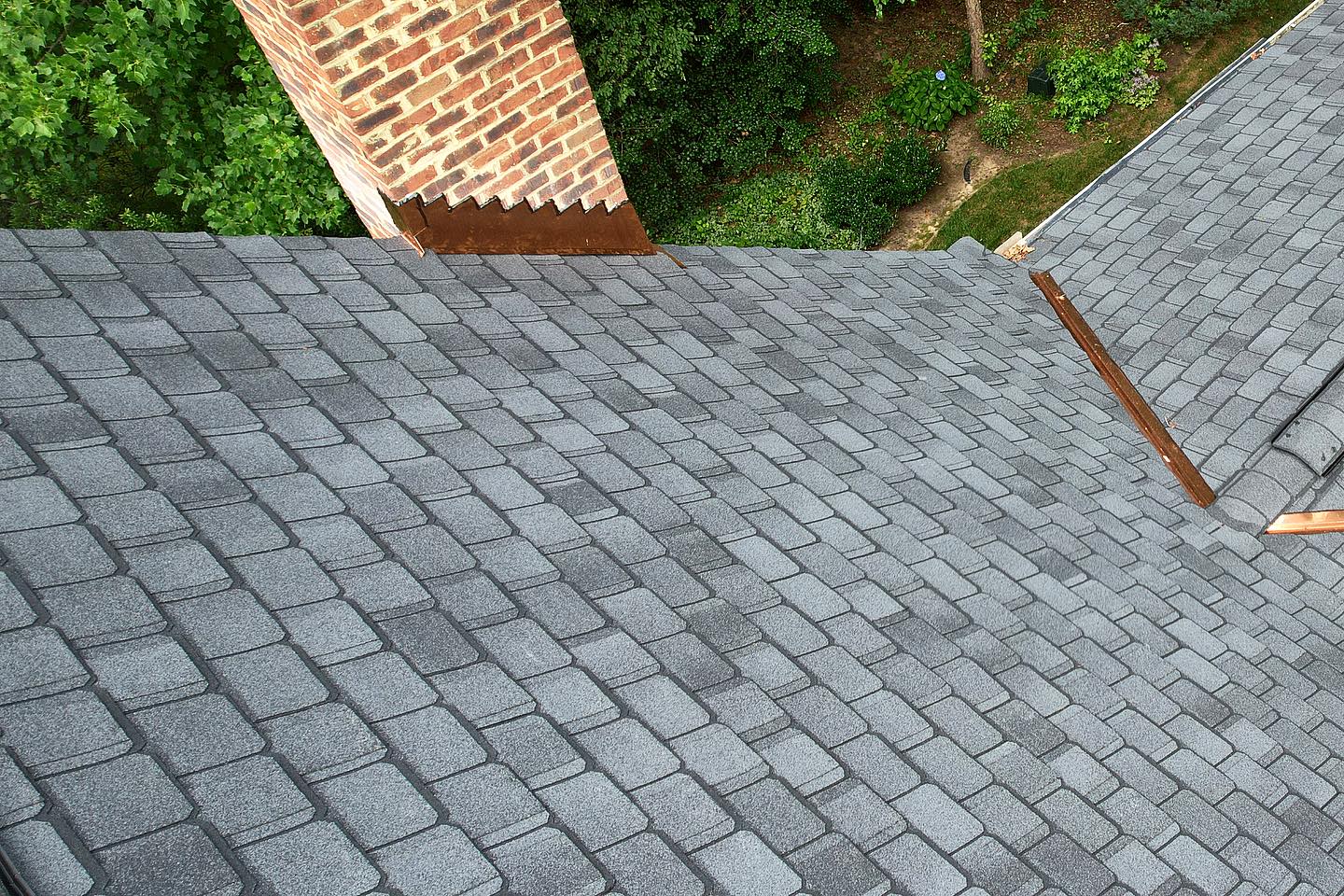
3. Flashing Failures
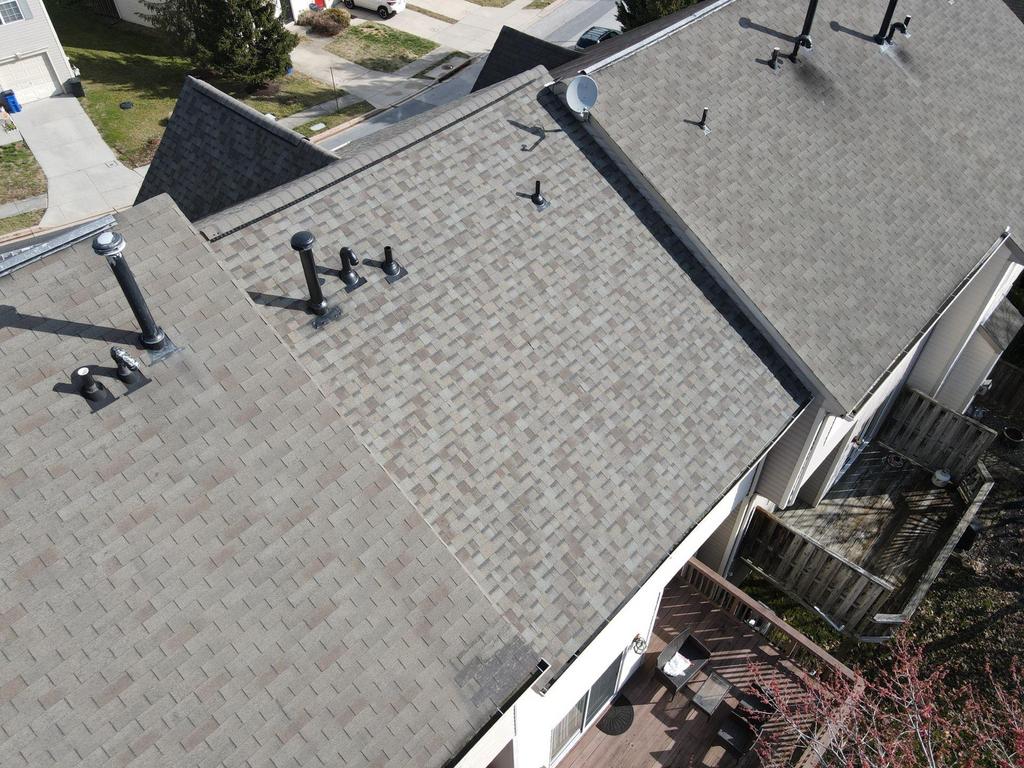
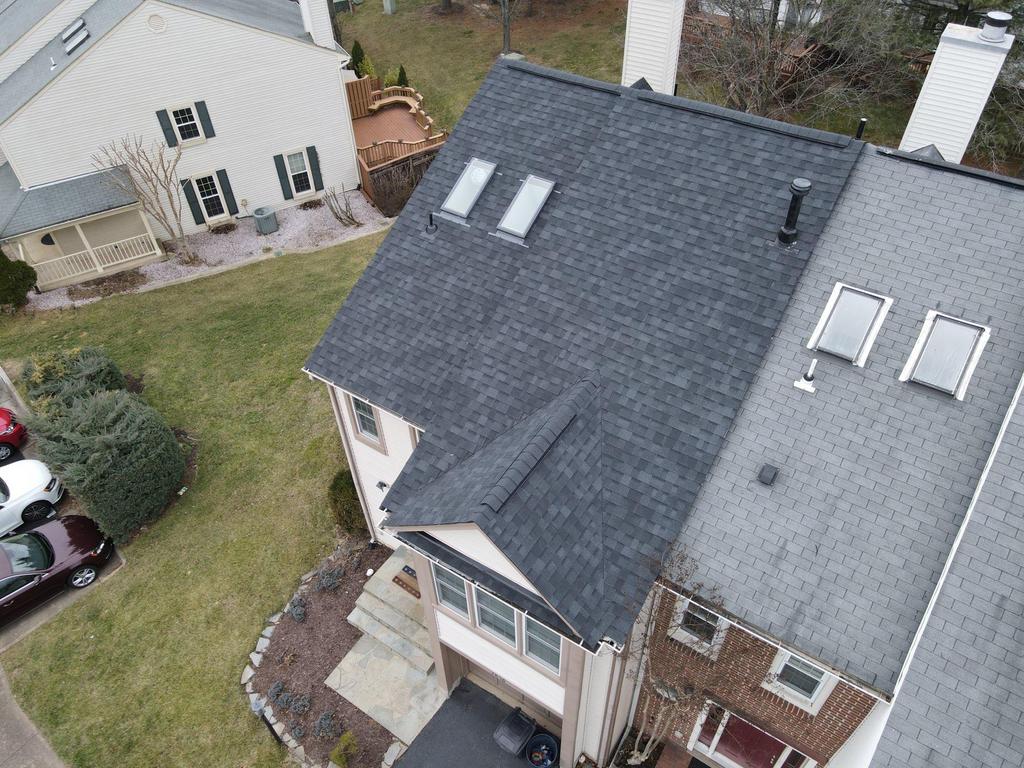
Flashing protects vulnerable areas like:
-
Chimneys
-
Skylights
-
Roof valleys
-
Plumbing vents
When flashing loosens or corrodes, water easily enters the roof structure.
4. Clogged Gutters
Leaves, debris, and winter buildup can clog gutters. When gutters cannot drain properly, water backs up under shingles or behind fascia boards.
Many roof leaks start small and worsen over time. Homeowners should watch for warning signs such as:
-
Water stains on ceilings or walls
-
Musty odors in the attic
-
Peeling interior paint
-
Mold growth near roof areas
-
Shingles found in the yard after storms
-
Overflowing gutters during rain
Ignoring these issues can lead to wood rot, insulation damage, and structural repairs.
Why a Spring Roof Inspection Is Important
Spring is one of the best times to schedule a professional roof inspection.
A qualified roofing contractor can identify:
-
Hidden moisture damage
-
Loose flashing or vents
-
Shingle deterioration
-
Poor attic ventilation
-
Early signs of leaks before they spread
Addressing small problems early can save thousands in future repairs.
How Homeowners Can Prevent Spring Roof Leaks
Preventative maintenance significantly extends the life of your roof.
Simple steps include:
-
Clean gutters and downspouts
-
Inspect your attic after heavy rain
-
Trim branches touching the roof
-
Replace missing or damaged shingles
-
Schedule an annual roof inspection
Professional contractors also check ventilation, flashing, and underlayment to ensure the roof system is performing properly.
When to Call a Roofing Professional
If you notice any signs of water intrusion, it is important to act quickly. Roof leaks rarely fix themselves and often worsen with each rainfall.
Professional roofers can determine whether the issue requires:
-
Minor repairs
-
Flashing replacement
-
Shingle replacement
-
Or a full roof replacement depending on the age and damage.
Schedule a Spring Roof Inspection
Spring rain should not turn into interior water damage. If you suspect a roof leak or simply want peace of mind after winter storms, a professional inspection can identify problems early.
Sparkk Construction provides roofing inspections, repairs, and full roof replacements throughout Virginia, West Virginia, Pennsylvania, New Jersey and Maryland.
📞 Call 703-239-4734 | (304) 702-9075
🌐 Visit www.sparkkconstruction.com
Protect your home this spring by ensuring your roof is ready for the rainy season.