Roof Repair vs. Replacement: How to Decide
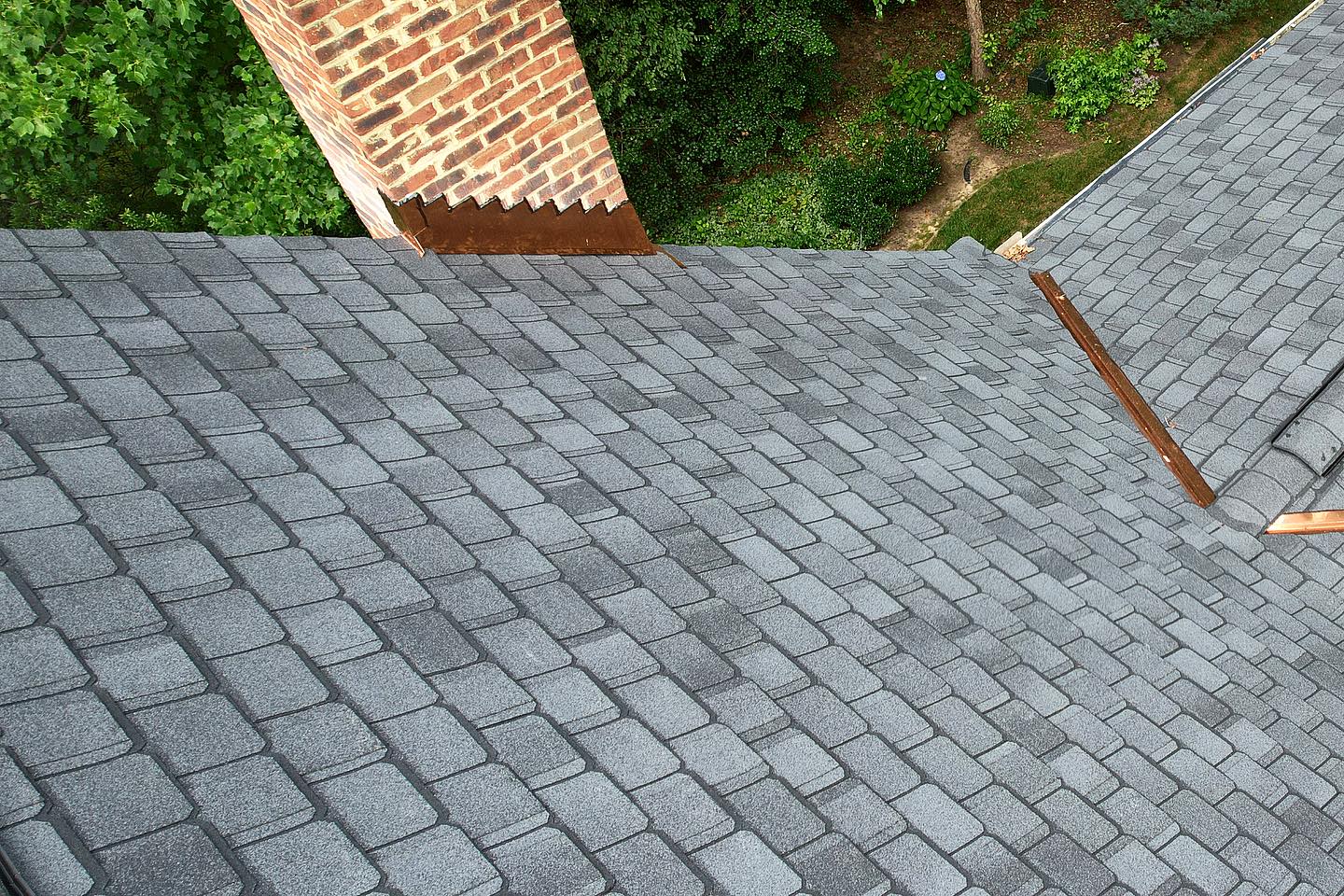
Water can travel along decking, framing or fasteners before it becomes visible indoors, so the stain below is not always directly beneath the entry point. A useful inspection considers the roof covering, flashing, valleys, penetrations, transitions and ventilation as accessible. It also looks at the age of the system and any history of prior leaks or repairs. The goal is to identify the likely cause and determine how much of the surrounding roof remains dependable before recommending a repair or replacement.
When roof repair makes sense
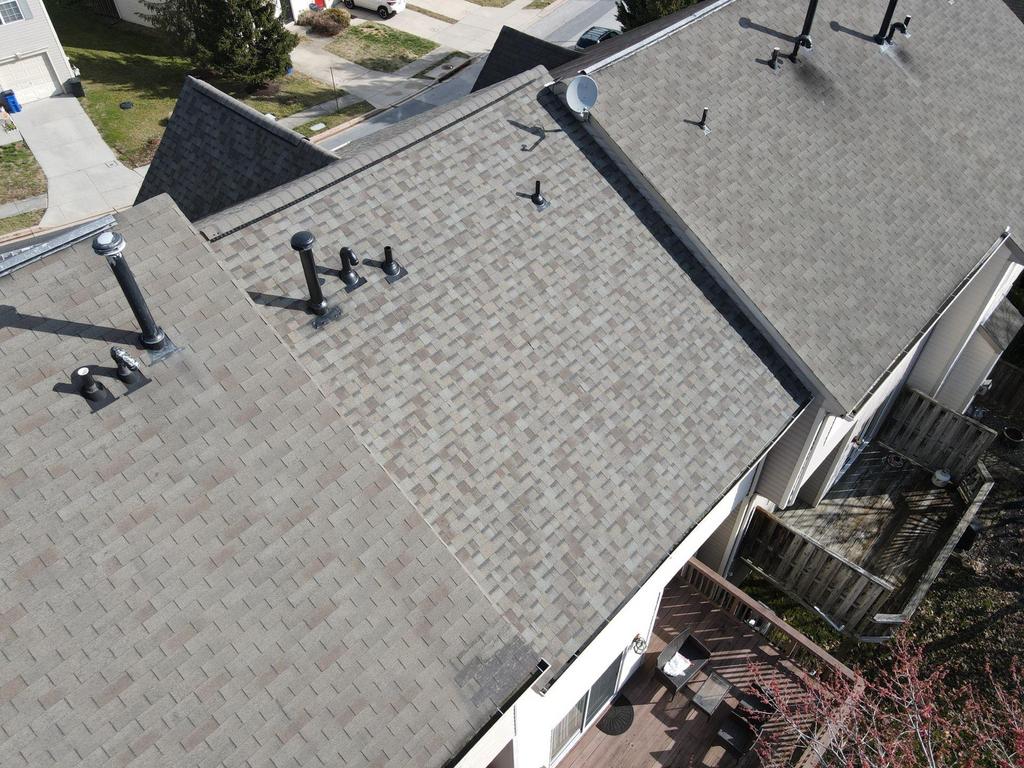
Repair is often reasonable when damage is limited to a small area, matching materials are available and the surrounding roof still has useful service life. Examples may include an isolated flashing failure, a damaged pipe collar, a small number of displaced shingles or a localized impact area. A repair should address the cause—not simply cover the symptom with sealant. Ask what will be removed, replaced and integrated with the existing system, and whether the contractor sees any condition that could shorten the repair’s useful life.
When replacement offers better value
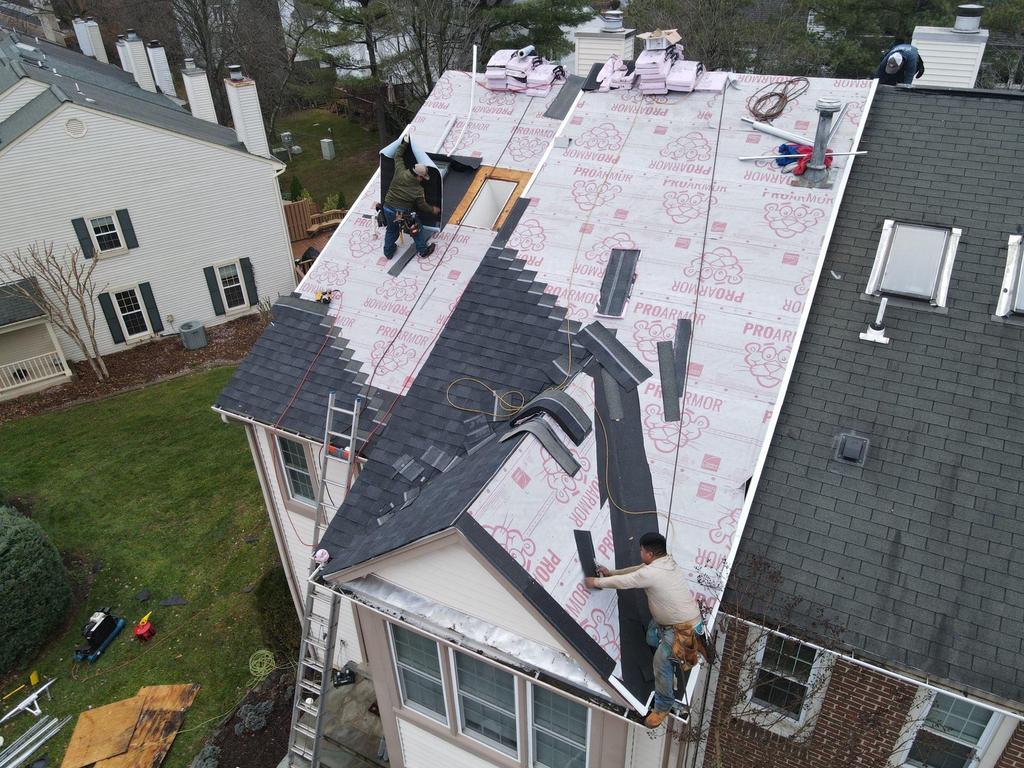
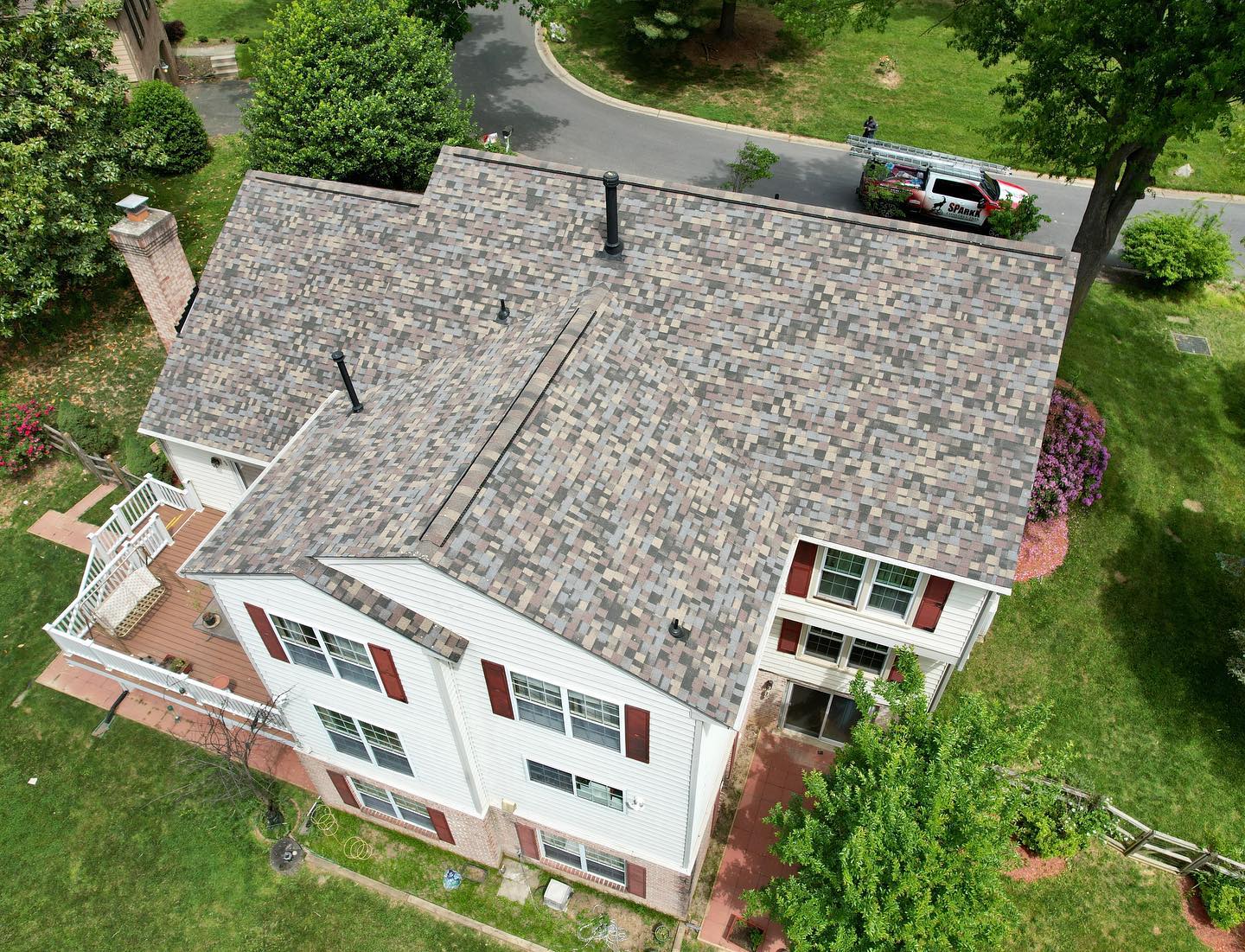
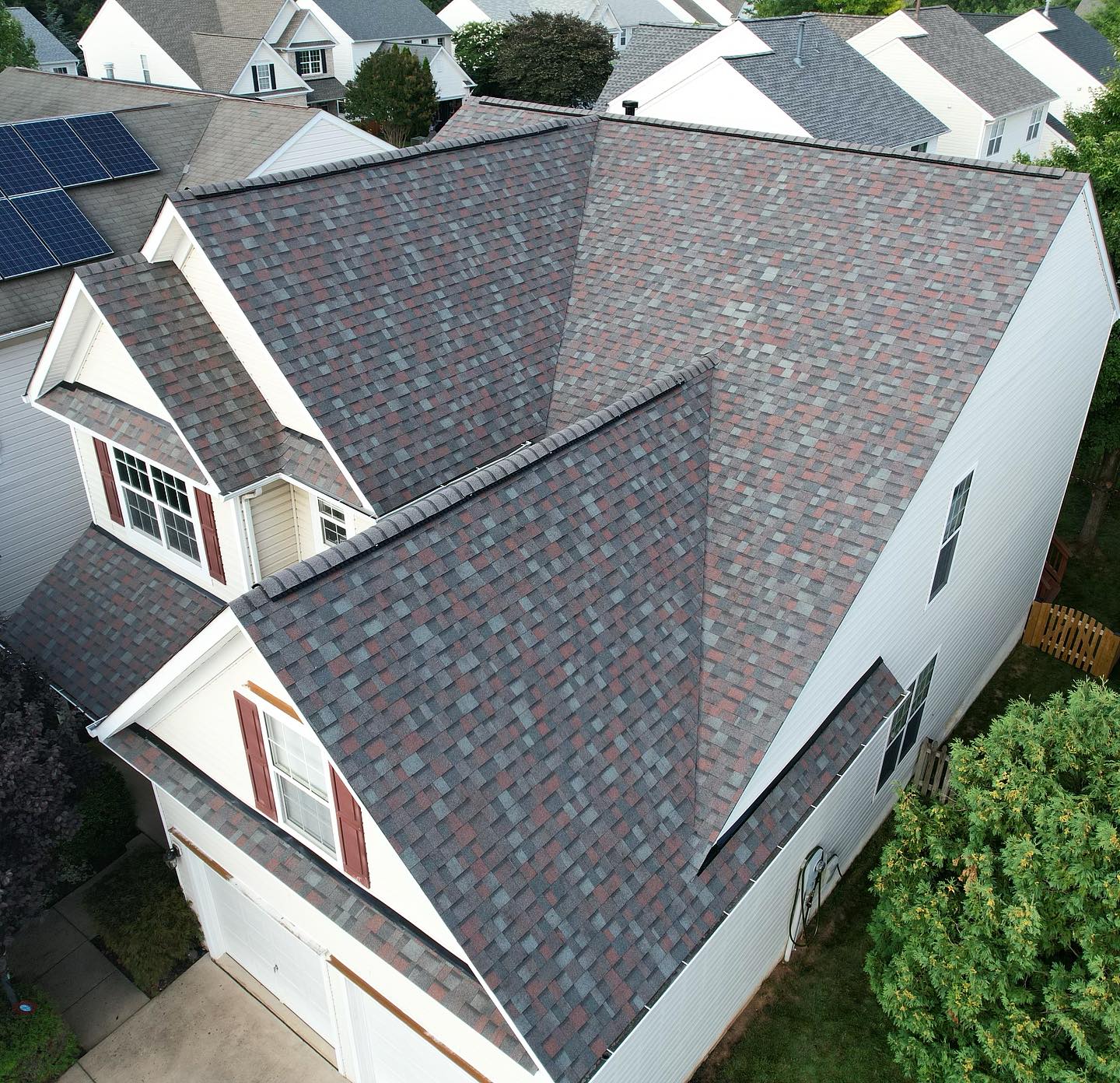
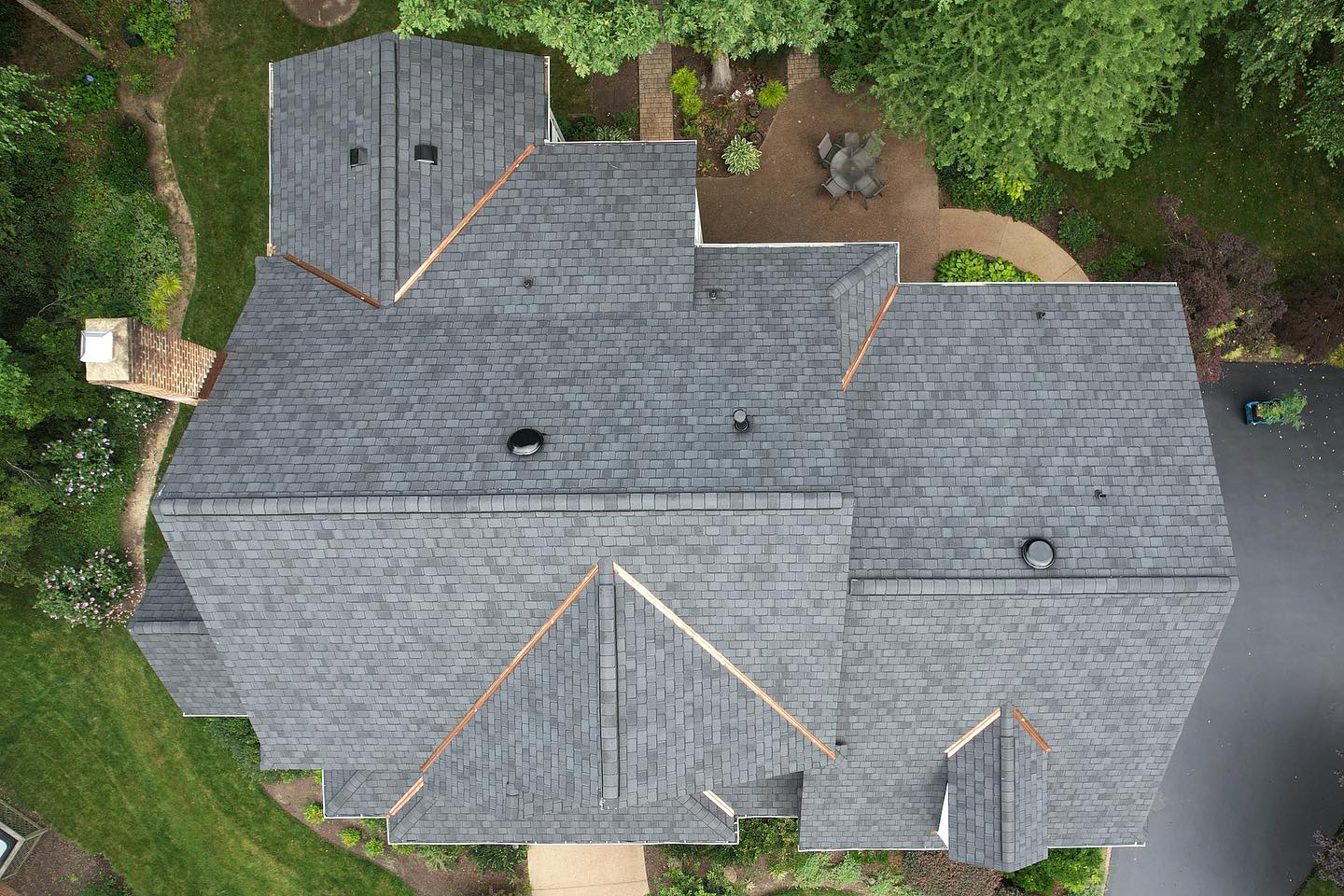
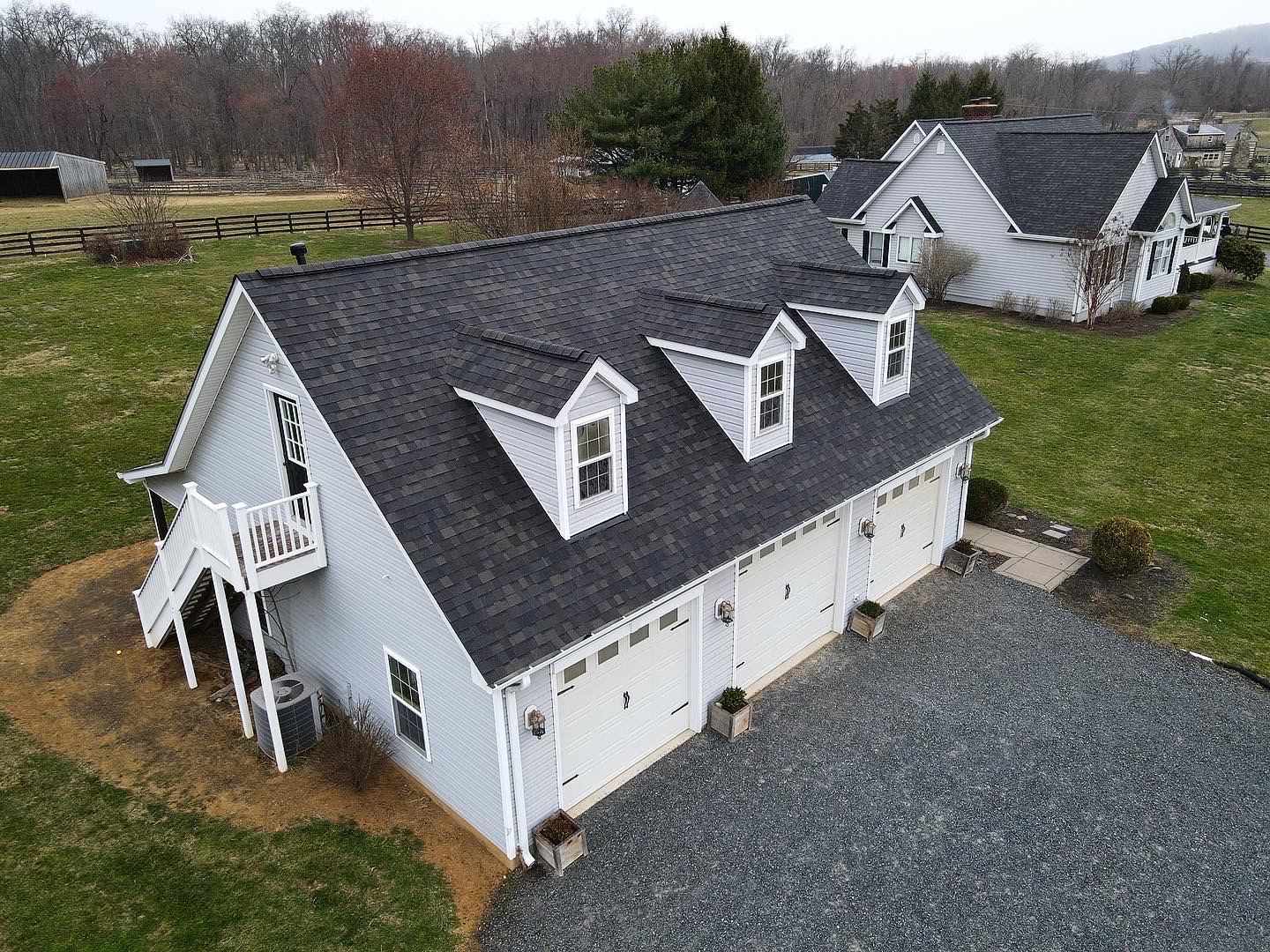
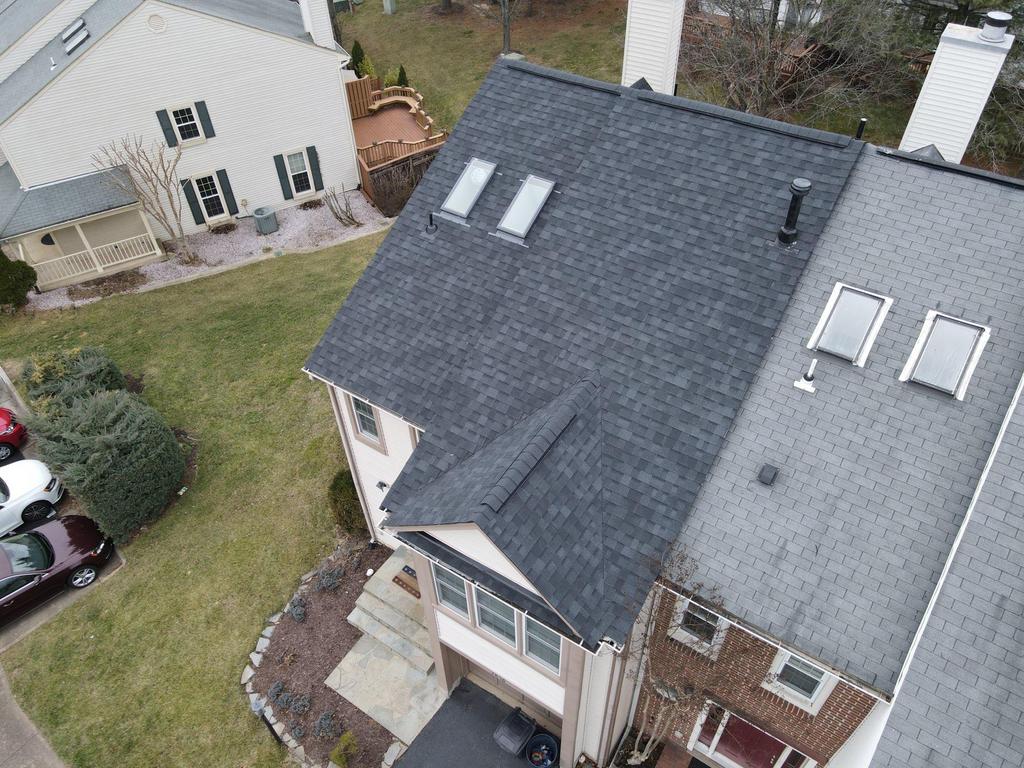
Replacement deserves serious consideration when shingles show widespread cracking, curling, granule loss or repeated wind damage; when leaks appear in multiple areas; or when repairs are becoming frequent. It may also be appropriate when deck deterioration or inadequate ventilation affects a broad portion of the roof. Replacing too early wastes usable material, but continuing to patch a failing system can increase interior and structural risk. A documented assessment helps place the current repair cost in the context of the roof’s remaining life.
Compare more than today’s price
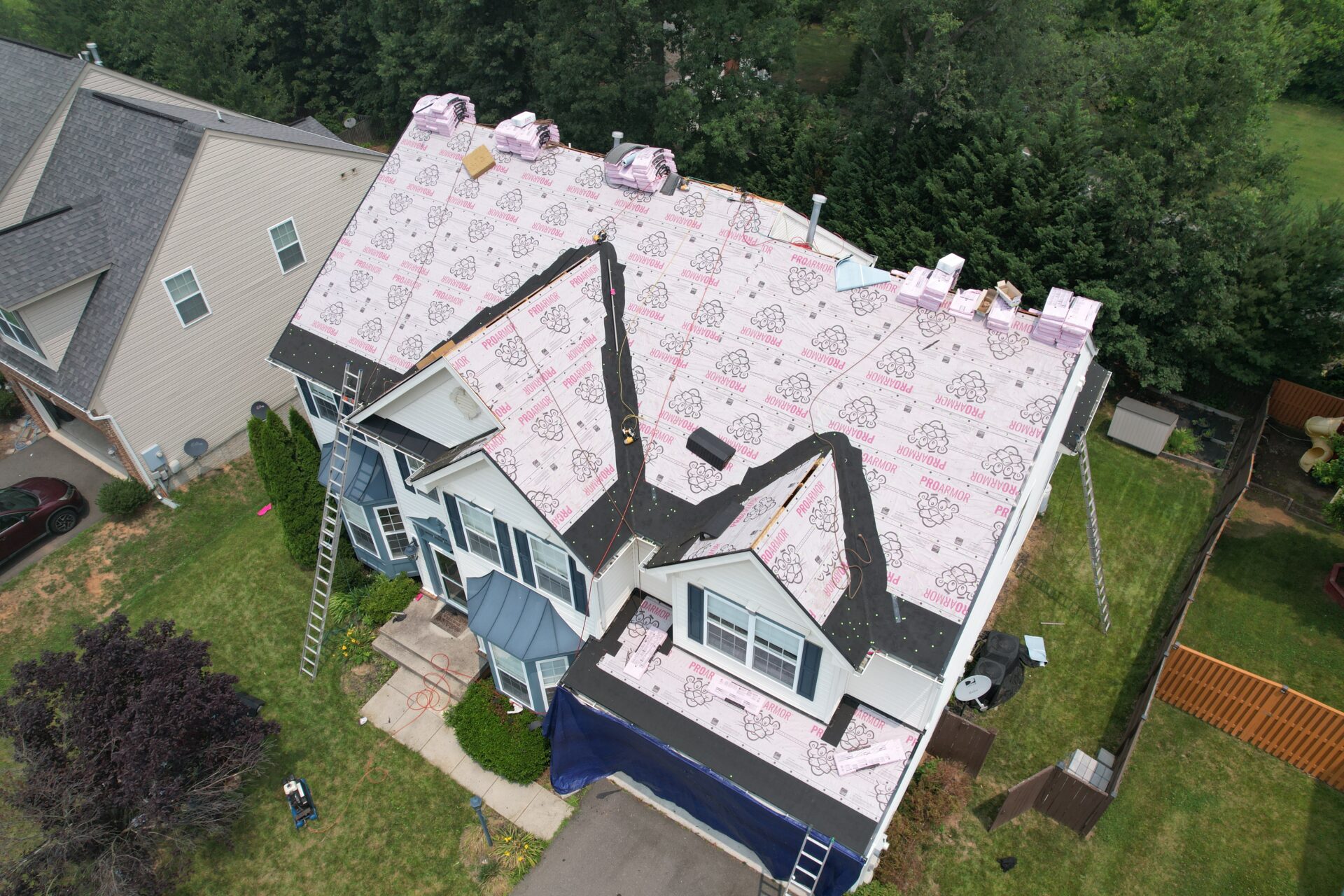
A lower repair price can be the right choice, but only if it solves a contained problem. Compare the expected life of the repair, the likelihood of additional failures, warranty limitations and how long you plan to own the home. For replacement proposals, compare underlayment, flashing, ventilation, decking allowances, cleanup and warranty administration—not just the shingle brand. Insurance may be relevant after a covered event, but coverage decisions belong to the carrier; a contractor can document conditions and scope without promising an outcome.
Get a clear recommendation
If you are deciding between repair and replacement, Sparkk Construction can evaluate the visible conditions and explain the practical options. Call or submit a request with the age of the roof, leak history and any recent storm event. After the assessment, you should understand what is failing, whether the issue appears isolated or widespread, and what each proposed path is intended to accomplish. That information makes it easier to choose based on risk, budget and long-term value.
Frequently Asked Questions
Can one missing shingle be repaired?
Often yes, if matching material is available and the surrounding roof remains sound.
Does a leak always mean I need a new roof?
No. Flashing, penetrations or isolated damage may be repairable; an inspection should determine the cause.
Should I replace a roof before selling?
That depends on condition, buyer expectations and economics. A documented assessment provides a better basis for the decision.
Request a Free Estimate
Ready to discuss your project? Contact Sparkk Construction for a clear, no-obligation estimate and practical guidance on the best next step for your home.
Prefer to call? Call Sparkk Construction at (703) 239-4734.