Paver Patio Planning Guide for Northern Virginia
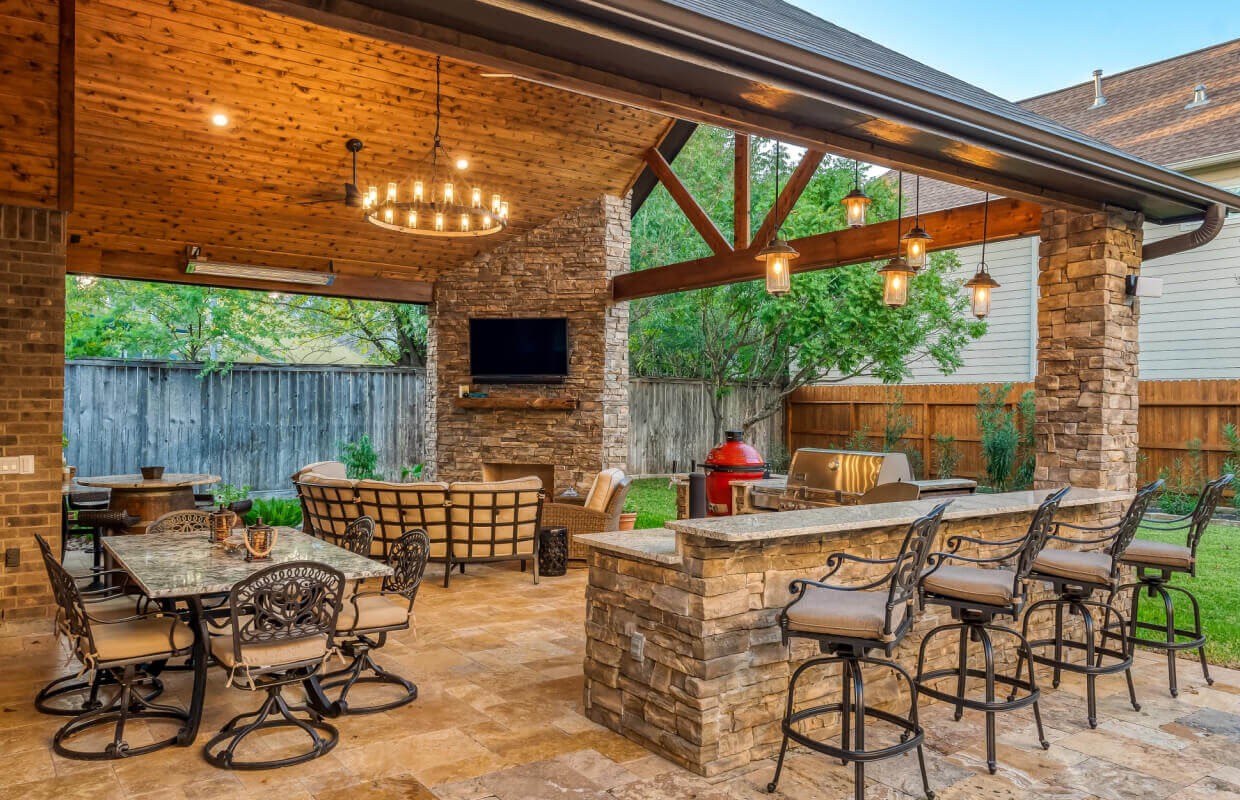
A successful patio starts with function. Consider the size of the dining table, grill clearances, conversation seating, walking paths and how people move between the house and yard. Door thresholds, steps, shade, privacy and future landscape beds can change the best layout. Sparkk Construction reviews the site and helps organize the space into comfortable zones before narrowing colors or patterns. This reduces awkward leftover areas and makes the finished patio feel like an intentional extension of the home.
Drainage shapes the design
Patios must move surface water away from the house and avoid creating new problems for neighboring areas, foundations or low spots. Existing grades, downspouts, soil conditions and runoff paths should be evaluated before excavation. The finished surface needs a controlled pitch that works with doors, steps and surrounding landscape elevations. Where conditions are complex, additional drainage measures may be appropriate. Water management is not an add-on at the end—it is a design constraint from the beginning.
The base is the hidden investment
Pavers are only as stable as the layers beneath them. A durable installation typically involves excavation to the planned depth, preparation of the subgrade, placement and compaction of aggregate in controlled lifts, a consistent bedding layer and secure edge restraint. Exact depths and materials depend on soil, use, product system and site conditions. Rushing compaction or relying on a thin base may lead to settlement, spreading and uneven joints even when the pavers themselves are high quality.
Choose materials for appearance and maintenance
Pavers vary in size, texture, edge style, color blending and suitability for borders or patterns. Lighter and darker surfaces can behave differently in sun, and heavily textured products may affect furniture or accessibility. Joint material and edge details influence weed resistance and stability, while optional sealing can change color and stain resistance. One advantage of segmental paving is repairability: localized pavers can often be lifted and reset if underground access or settlement requires correction.
Start a Northern Virginia patio plan
If you are considering a new patio or replacing a failing installation, schedule a site consultation with Sparkk Construction. Share your address, approximate dimensions, intended uses and any drainage concerns. During the visit we can discuss layout, elevations, product direction and the construction approach. A written proposal should describe the major base, edge and surface components so you understand what supports the finished space—not just what will be visible on day one.
Frequently Asked Questions
Why do paver patios settle?
Insufficient excavation, poor compaction, drainage problems or failed edge restraint are common causes.
Do pavers need to be sealed?
Sealing is optional for many products and depends on the desired appearance, stain resistance and maintenance plan.
Can individual pavers be repaired?
Yes. One benefit of segmental pavers is that localized areas can often be lifted and reset.
Request a Free Estimate
Ready to discuss your project? Contact Sparkk Construction for a clear, no-obligation estimate and practical guidance on the best next step for your home.
Prefer to call? Call Sparkk Construction at (703) 239-4734.